
Technology that changes lives
We bring data-intensive, science-based products from benchtop to market.
Core Capabilities
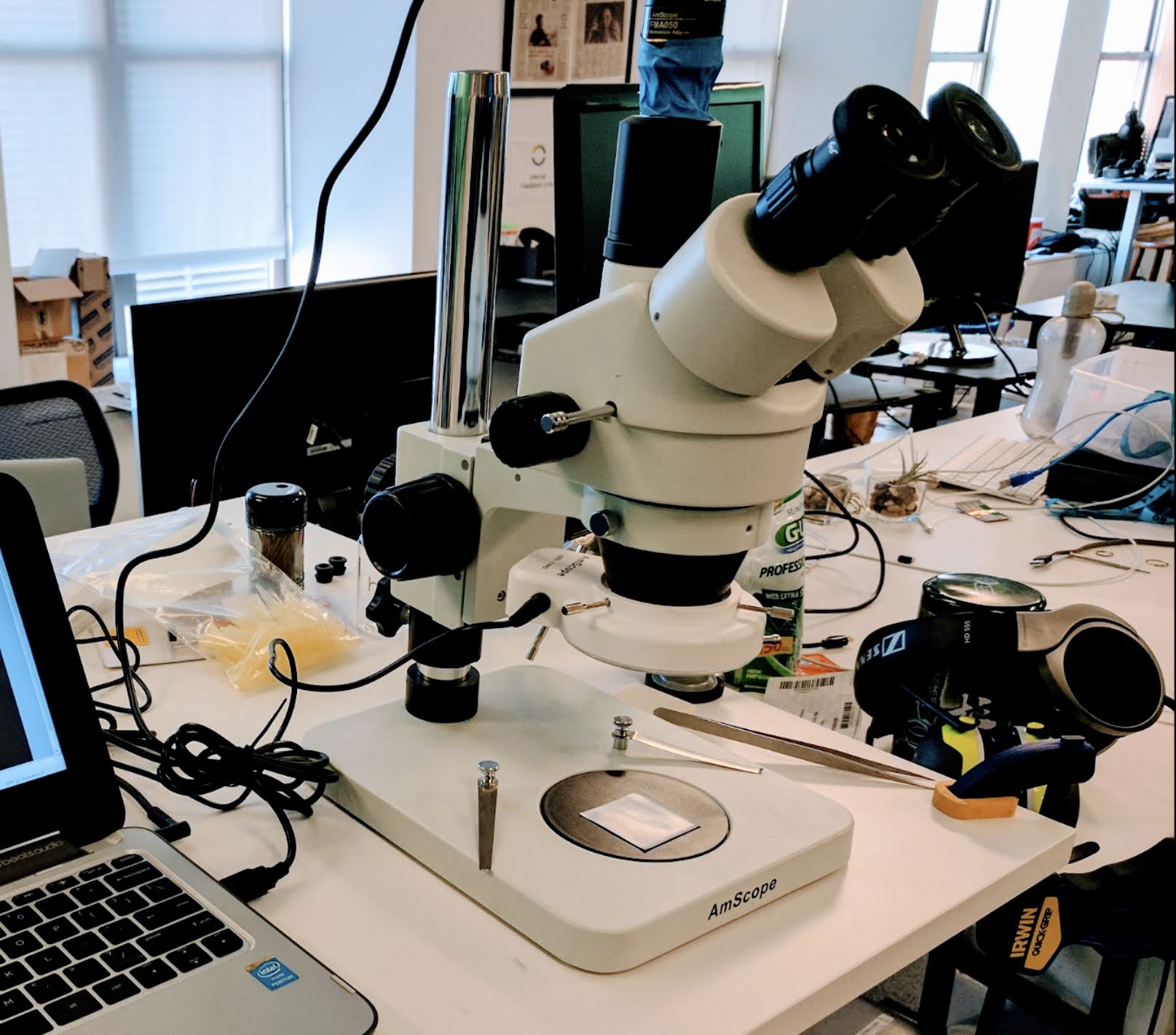
Applied Research
With PhD-level biomedical and engineering expertise, LT2 can collaborate with your research team, develop algorithms, solve tough problems across the engineering stack, and translate ideas from benchtop to product.
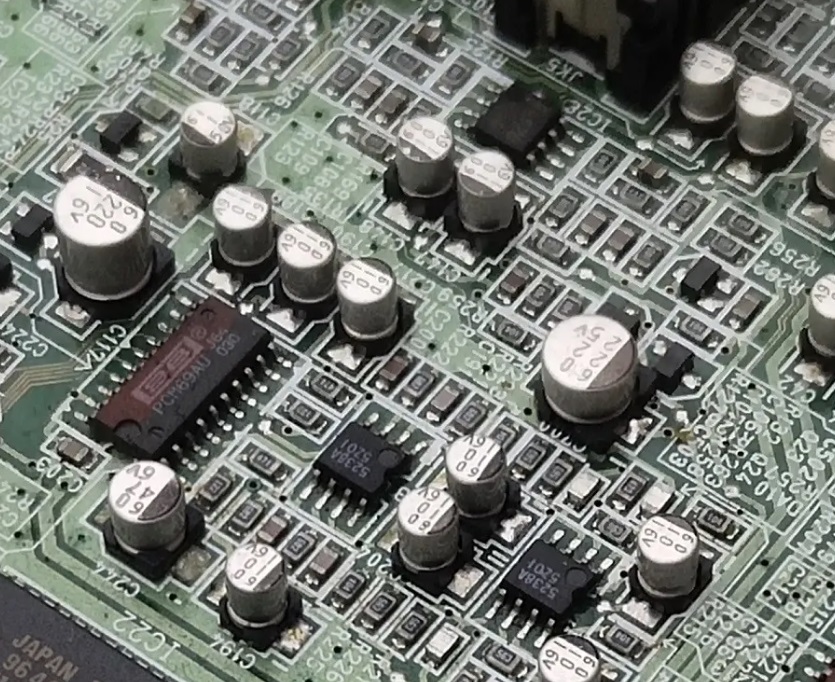
Embedded Development
Our core competency is embedded systems development for demanding applications. LT2 can provide hands-on SW/HW engineering, or help grow a larger team. For critical projects, we live and breathe FDA QSR and ISO 60601 / 13485 / 14971 / 10993,
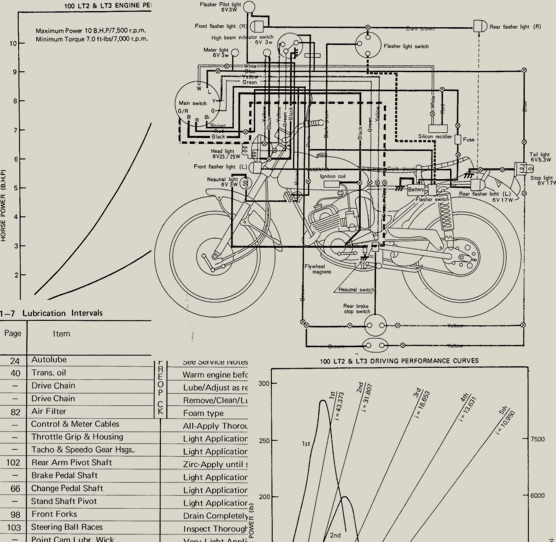
Complex Data
Data creates products. Products create more data. LT2’s expertise in signals, data analysis, and planning and building data-intensive tech makes this a cycle that creates value for your company.
Experience and Communication
Great products meet business goals. They’re easy to manufacture and ship, they satisfy regulatory requirements, and they delight customers.
Success requires an engineering team that pairs technical excellence with an understanding of your opportunities and challenges. It requires developers who know when to stop building, and when to go deeper. It requires extraordinary communication.
LT2’s broad experience and commitment to communication helps you build great products, on time and on budget.
Working Together
Product development is more than a sprint from point A to point B.
It’s understanding your business, technology, and customers, so we can get to the right place in the right way — together.
An engagement with LT2 starts with a free consultation. Let’s sit down together and discuss how we can help meet your R&D needs.

Selected Projects

Personalized depression treatment
FDA-cleared software and hardware system (capital equipment) yielding up to 90% remission of intractable depression in 5 days

Halo Sport v1 and v2
Audio headphones, wearable consumer healthtech + companion app for athletic and musical performance. 25K units made and sold
Responsive brain implant
First implantable, responsive brain stimulator for epilepsy, with accessories and AI-driven tools. FDA approved and currently available in the USA with thousands treated to date

AI-driven
vitals monitoring
Ingestible capsule with gastric residency and drug release mechanisms; event detection and biosignal analysis on an ultra-low-power embedded platform
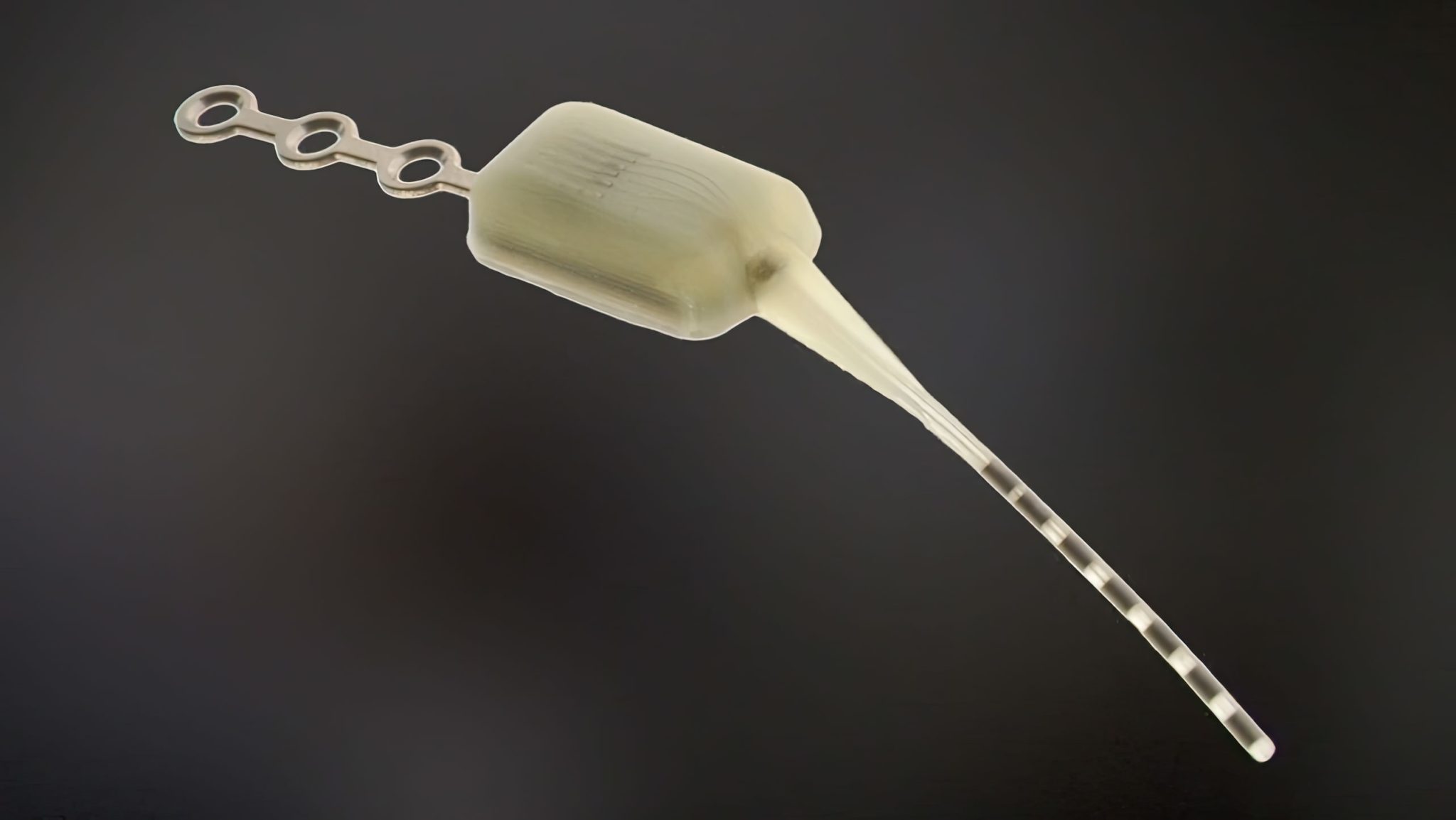
Pulsante System
Implantable stimulator + wireless controller for cluster headache; CE marked and successfully entered European market
Meet LT2
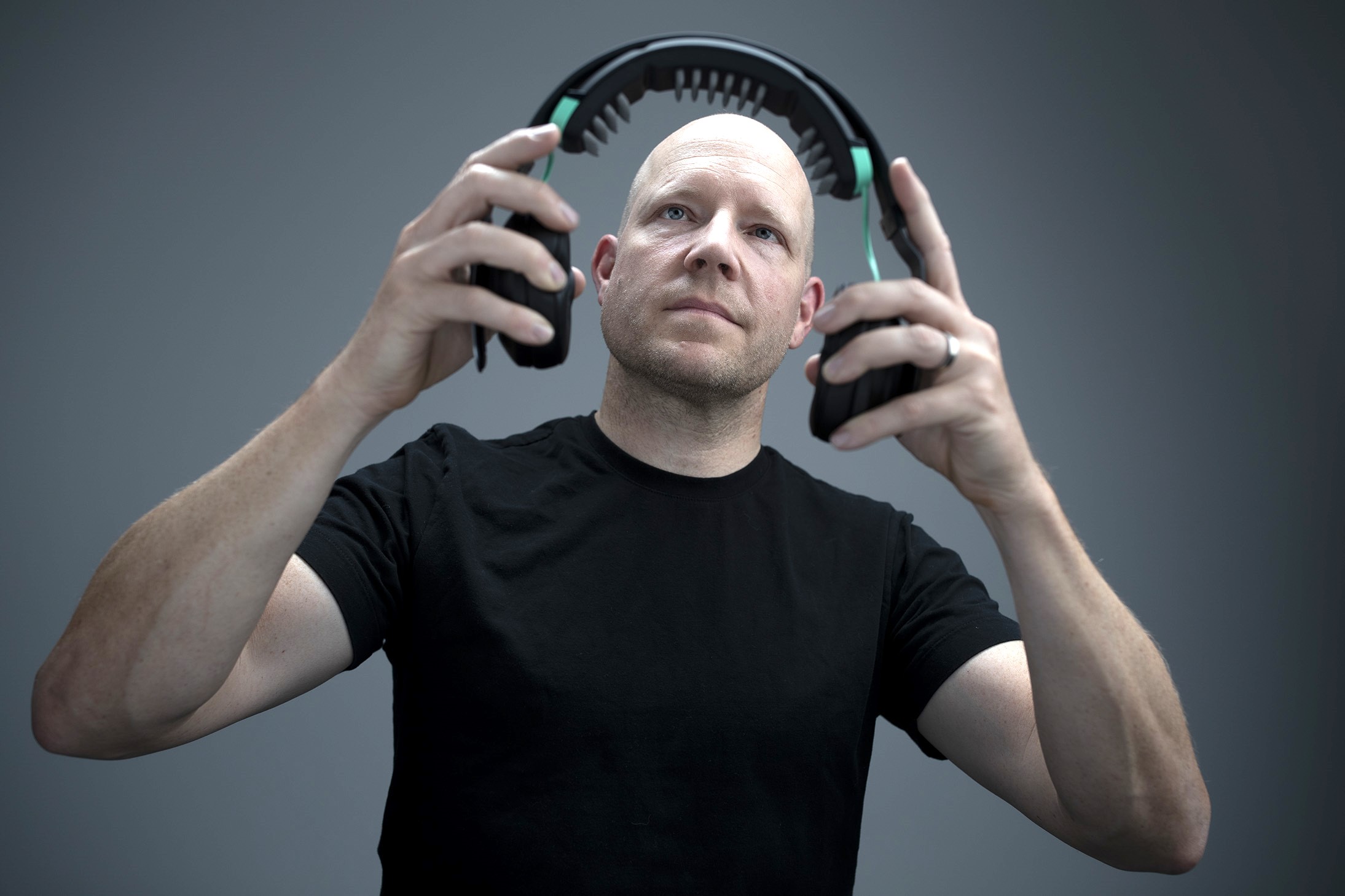
Brett Wingeier, PhD
Founder and Managing Engineer
Founder Brett Wingeier is a hands-on R&D and product leader, specializing in data-intensive hardware / software products that improve human lives.
Brett’s technical and business career spans 25 years of R&D experience: embedded systems development, product management, data science, manufacturing, engineering leadership, and executive management. He’s a US registered patent agent with 75+ issued US patents, and a PhD biomedical engineer.
At LT2, this expertise helps bring your ideas to life.
“I have never met a better communicator of technical ideas than Brett.”

Erem Boto
Staff Software Engineer, Stripe
LT2 Labs, LLC
San Francisco, California USA
+1 415 690 7358
letsbuild@lt2labs.com
© 2024 LT2 Labs, LLC unless otherwise stated. All rights reserved.